Start with the work the data will support
A device connection can produce a stream of measurements before a clinic has decided how it will use them. Adding those readings to a chart is a technical milestone, but it does not answer the operational questions: who reviews the information, when does review happen, and what should a patient expect? A monitoring program needs those answers before a dashboard becomes part of daily work.
HHS planning guidance places workflow design, staffing, patient preparation, and technology selection within the same monitoring strategy. The practical implication is to plan the human process alongside the data connection. Begin with a clearly defined service and patient group selected by the clinical team, then map the review and support work it requires.
Make the meaning of a reading visible
A measurement should arrive with enough context to interpret its origin. Display the device or source, the measurement time, the time the system received it, and whether the reading was entered manually or transferred automatically. Missing units, duplicate records, and delayed synchronization deserve explicit handling.
The interface should distinguish an unavailable connection from a period with no readings. It should also distinguish a consumer wellness signal from information collected within the clinic's monitoring program. Do not imply that every wearable connection is a clinically validated monitoring service or that connecting a device automatically establishes a care relationship.
- Keep source, units, and timestamps attached to measurements.
- Show gaps and technical failures as gaps and technical failures.
- Preserve the distinction between wellness data and the clinic's chosen monitoring workflow.
Design the review queue before the alert
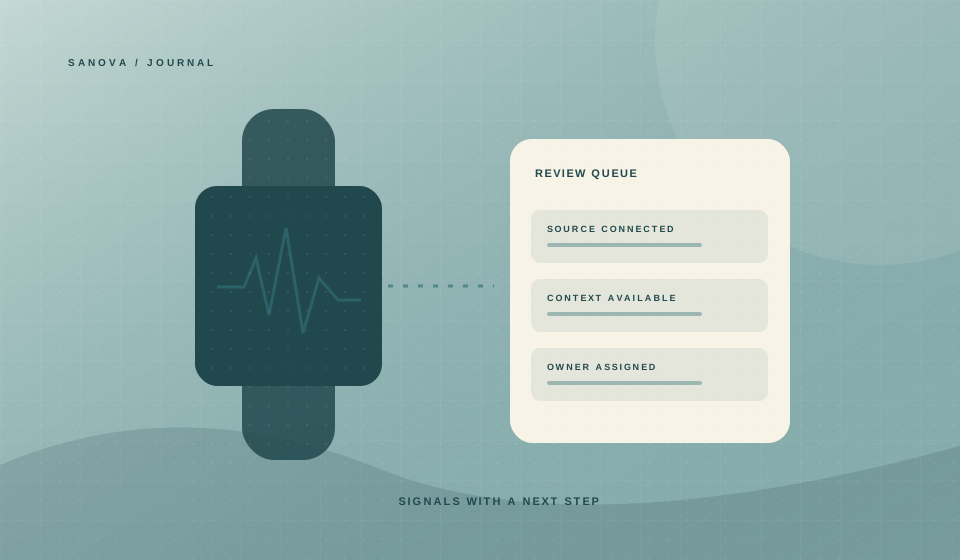
Before adding notifications, decide how a finding becomes work. The clinical team should set the criteria, review responsibilities, and response process appropriate to its program. A software designer can then build the queue, supporting context, and escalation path around those decisions without inventing clinical thresholds.
An item in that queue should tell the reviewer why it appeared, which data contributed to it, and what has already been done. Group related information when that helps the team understand the context, while preserving access to the individual readings. Keep technical troubleshooting work separate from clinical review so the right person receives each task.
Explain monitoring boundaries to patients
A connected device can create the impression that someone is watching every reading in real time. The clinic should explain its actual review schedule, support channels, and process for issues outside the monitoring service. The interface and onboarding material should communicate the same expectations consistently.
Patients also need a clear explanation of how to use the selected device, what to do when data does not transmit, and how to contact the clinic for support. Any urgent-care instructions should come from the clinical team and be presented through the clinic's established patient guidance. A technical connection screen should not substitute for that communication.
Plan coverage, consent, and disconnection
The workflow needs an owner during normal operations and an agreed process for absences and transitions. Define who handles enrollment, device support, review, and follow-up. Give staff a way to distinguish a patient who has paused participation from a connection that is simply failing.
Permission and connection status should remain visible to the authorized team. Explain which sources are connected and provide the appropriate controls for stopping access. When a connection is removed, show when the last successful data transfer occurred so old information is not mistaken for a current feed.
Evaluate whether the workflow is manageable
Start with operational measures the team can interpret: successful onboarding, data availability, unresolved technical issues, unassigned review items, and repeated work. Gather patient and staff feedback about confusing steps. These observations can help improve the process without turning device activity alone into a claim about better clinical outcomes.
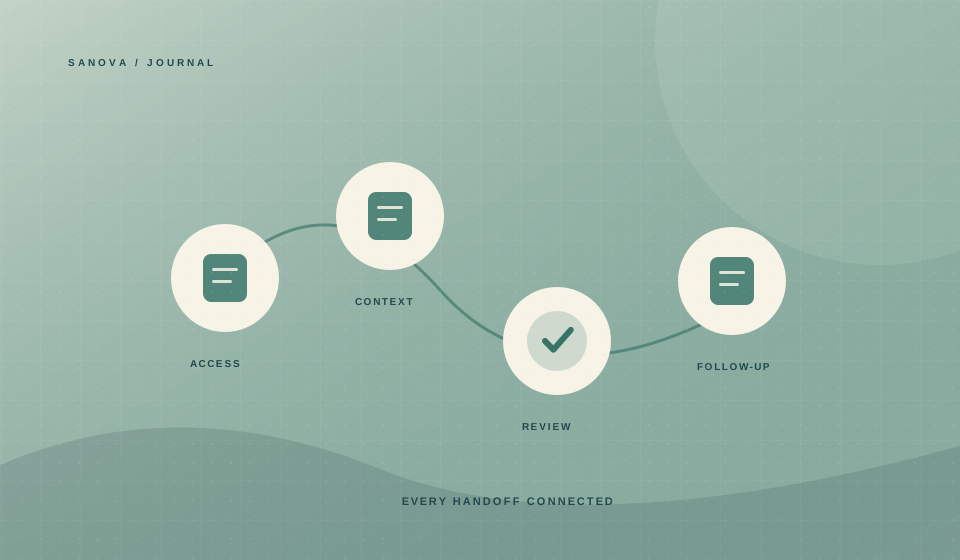
The goal for a connected clinic is a dependable path from an authorized source to an understandable review item and an owned next step. A useful monitoring interface supports that path. It gives the team context and control while keeping the program's clinical decisions with the people responsible for care.
The connection supplies data. The workflow establishes who reviews it and what happens next.