A conflict is a question, not an error to erase
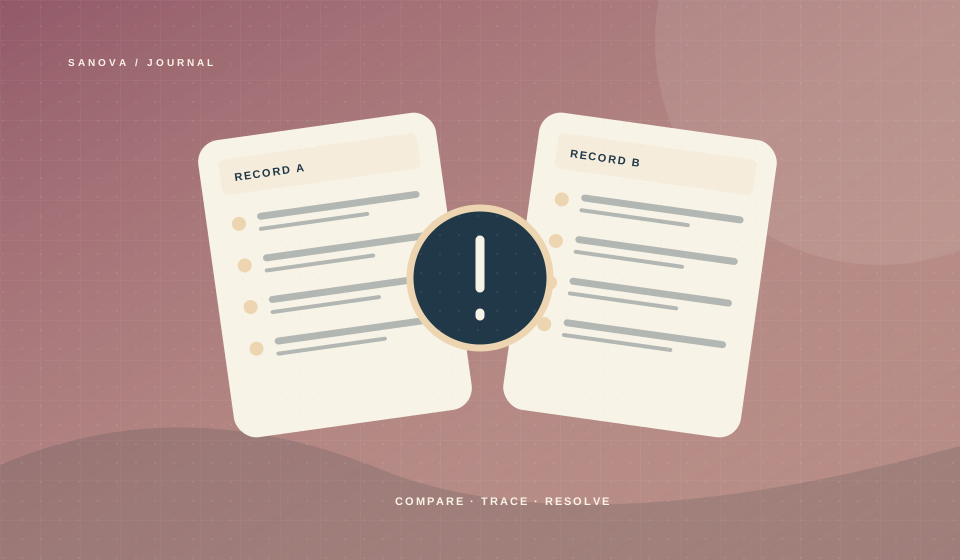
A chart may list two different medication doses, a changed allergy status, or demographic details that do not match an outside record. The useful response is to preserve both versions long enough to understand why they differ.
A conflict center should state the exact field, each candidate value, its source, and its date. That gives reviewers a concrete question instead of a vague warning.
When the source of a fact is unclear, the interface should make the uncertainty visible.
Triage by consequence and confidence
Not every mismatch needs the same urgency. A formatting difference in an address is different from a medication, allergy, or patient identity disagreement. Triage can use the field's clinical impact, the age of each value, and the quality of the source.
Confidence should guide where a human looks first; it should not automatically decide which clinical value becomes authoritative.
- Flag safety relevant conflicts for clinical review
- Route administrative mismatches to an appropriate operations role
- Keep low confidence patient matches separate until identity is confirmed
Give the reviewer the evidence
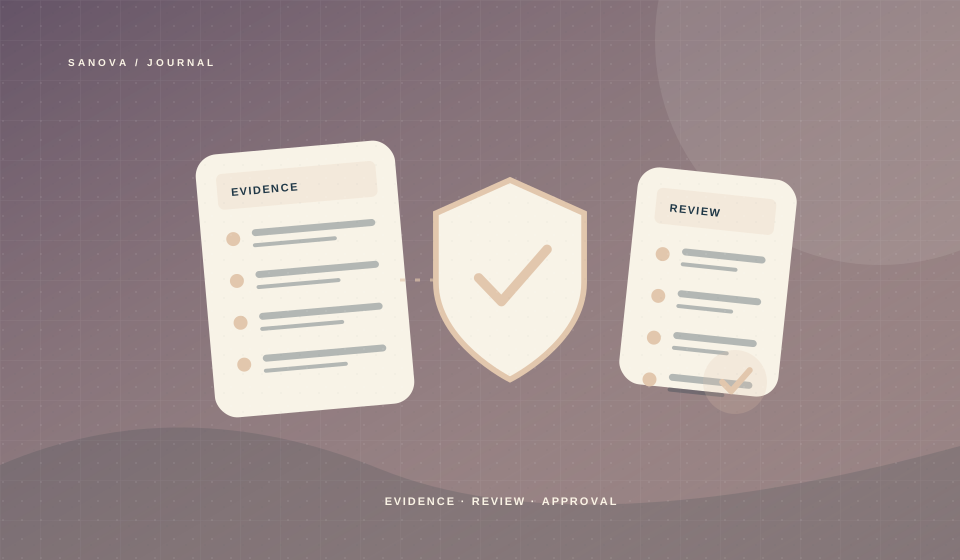
A good comparison view places the values side by side and includes source links, timestamps, encounter context, and any recent changes. If one value came from a patient report and another from an external record, say so plainly.
Reviewers need actions that reflect real decisions: retain the existing value, adopt the incoming value, request clarification, or leave the case unresolved. A free text note can capture the reasoning when the choice is nuanced.
Keep an audit trail without creating noise
Each resolution should record who reviewed it, what changed, when it changed, and which evidence was considered. A later reviewer should be able to understand the decision without reconstructing it from scattered messages.
Suppressing repeat alerts for a reviewed case can reduce alert fatigue, but new evidence should reopen the question. Resolution is a point in time, not a guarantee that the underlying data will never change.
Measure the workflow, not just the queue
Queue size is only one signal. Teams can also watch time to resolution, reopen rates, high impact conflicts still pending before a visit, and the share of cases that lacked enough evidence to decide. These measures help improve both the data connection and the review process.